How-To Guidesoriginal
Bridging the Gap: Why Youth Ministry Needs Innovative Engagement in 2026
10/11/2026
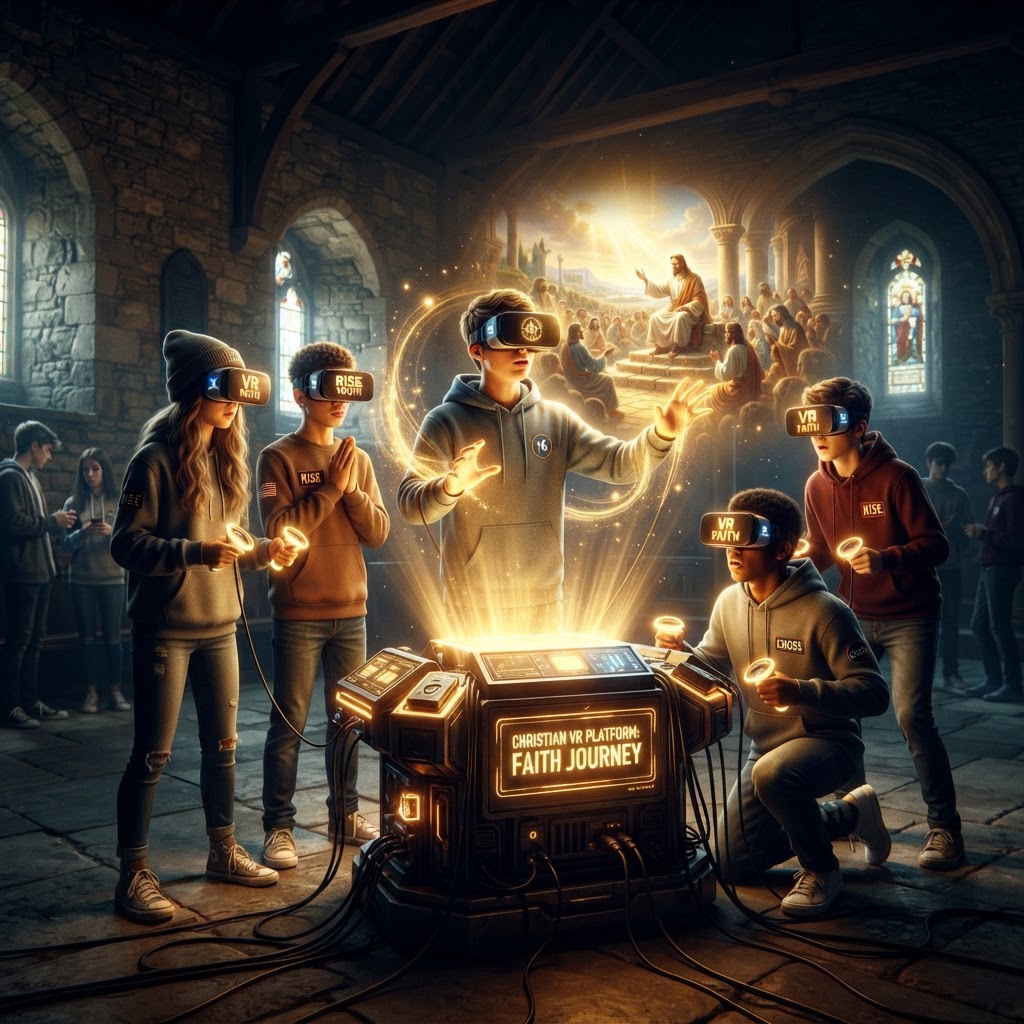
As we navigate the final quarter of 2026, the landscape of youth ministry finds itself at a pivotal crossroads. For years, church leaders have wrestled with a single, persistent challenge: how to capture the hearts and minds of a generation that exists simultaneously in the physical world and a highly digitized reality. We are no longer living in a time where a traditional lecture model is sufficient to bridge the gap between biblical truth and the modern teenage experience. The digital tools available to today’s youth are vast, immersive, and visually stunning. When the church’s primary engagement tool is limited to a whiteboard or a printed pamphlet, we risk appearing disconnected from the very culture our youth navigate every day. Today, providing an innovative, faith-centered environment is not just an elective strategy; it is a necessity for discipleship. Why do church youth groups need this shift right now? The answer lies in the nature of how God created us to learn—through relationship, narrative, and active participation. In 2026, we see a growing hunger among young believers for authentic connection. They are not looking for entertainment in place of theology, but they are looking for theology that is as vibrant as the world they see on their screens. Research from late 2025 indicated that students who engage with faith content through interactive or immersive media report a 40 percent higher retention rate regarding scriptural context compared to traditional passive learning. This shift toward experiential faith is why projects like ZionSphere are gaining traction. By allowing students to step into the narrative of the Bible—feeling the scale of a cathedral or the weight of history in stories like David versus Goliath—we move from merely reading about faith to witnessing it in a three-dimensional space. This kind of interaction fosters curiosity, inviting teenagers to ask deeper questions about morality, sacrifice, and divine intervention. It turns a static passage of scripture into a living experience that resonates with their inquisitive nature. Furthermore, we must consider the theological weight of this technology. Throughout history, the church has utilized the best available communication tools—from the printing press to television—to spread the Gospel. Today, virtual reality is simply the latest frontier. When we use tools that speak the language of current technology, we validate the young believer’s lived experience. We are essentially saying that the Gospel is not an ancient relic kept in a dusty room, but a powerful, present-tense reality that transcends time and medium. This builds a bridge of credibility. When a youth group leader invites students to explore the biblical accounts through a platform like ZionSphere, they are facilitating a discipleship moment that meets students where they are. It invites the shy student to engage, the tech-savvy student to lead, and the skeptic to observe with fresh eyes. This is not about replacing the community of the local church; it is about providing a new context for that community to flourish. The social aspect of VR-enabled Bible study allows for shared awe. Imagine a group of teenagers sitting together, sharing a headset or moving through a virtual environment, discussing the courage it took for Jonah to obey God, or the complexity of heart in the early Church leaders. This shared wonder is the bedrock of community. As we close out 2026, we are invited to lean into these new opportunities. We are tasked with stewardship—not just of our physical buildings, but of the digital spaces where our youth spend their waking hours. If we ignore these spaces, we leave them to be shaped by secular influence alone. By introducing faith-based innovation into our youth ministries, we are planting seeds that will grow long after the headset is taken off. We are fostering a generation that understands the Bible as a narrative that invites them to participate, to act, and to believe. Let us embrace the tools of our time to share the unchanging message of the Gospel. It is time to step into the story, to look at the scriptures with new clarity, and to engage our youth in a way that respects their technological world while grounding them in the firm foundation of Christ. If you are a youth leader, a parent, or a student looking to deepen your engagement with scripture through the power of immersive technology, there has never been a better time to start. Discover how you can bring this vision to your church and join a community that is redefining the future of faith. Learn more about the immersive world of ZionSphere today at zionsphere.world.
This article was brought to you by ZionSphere, a virtual faith experience. Connect with us at www.zionsphere.world.
Keywords
youth ministry toolsbiblical VRChristian gamingfaith technologyZionSphereyouth discipleship 2026digital evangelismvirtual reality bible
Stay in the Loop
Get the latest ZionSphere news and articles delivered to your inbox.