Thought Leadershipreactive
Bridging the Gap: How Virtual Reality is Revolutionizing Biblical Literacy in 2026
10/14/2026
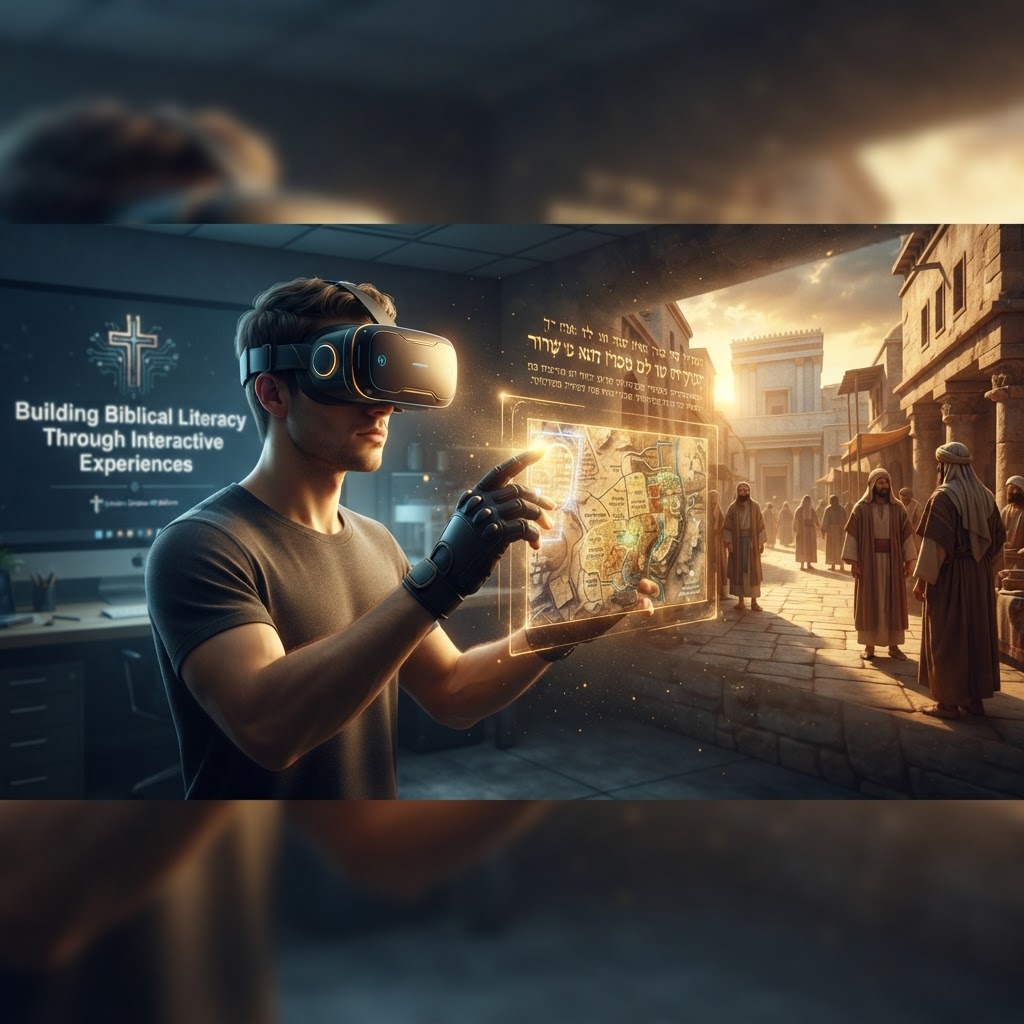
As we navigate the final quarter of 2026, the intersection of faith and technology has reached a profound new frontier. For centuries, the primary ways we have engaged with the Holy Scriptures have been through the written word, communal teaching, and artistic representation. While these methods remain the cornerstone of our spiritual growth, we are witnessing a transformative shift. Today, biblical literacy is being revitalized through the power of interactive immersion. As believers, we often find ourselves searching for ways to bridge the gap between ancient history and our modern lives. The challenge has never been the relevance of the text, but rather our ability to fully visualize the scale, stakes, and cultural context of the narratives. Now, as we move through October 2026, Virtual Reality (VR) is providing a solution that moves beyond mere observation. When we read of David stepping onto the battlefield to face Goliath, we often struggle to grasp the sheer gravity of that moment. Yet, within a digital, immersive environment, we can stand beside the young shepherd, feeling the dusty heat of the valley and hearing the roar of the Philistine army. This is not about rewriting the Word; it is about providing a sensory gateway to understand the reality of the biblical landscape. Interactive storytelling allows us to step into the sandals of those who walked before us, turning a passive reading session into an active, prayerful engagement with scripture. Theologically, this approach resonates with the concept of the 'living Word.' Hebrews 4:12 reminds us that the Word of God is living and active. By using technology to explore these stories, we honor that truth by making our study just as active. In 2026, faith-driven developers have moved past the early experimental phases of VR. We are seeing platforms like ZionSphere emerge as intentional spaces where the focus remains steadfast on biblical fidelity rather than spectacle. ZionSphere, built by believers for believers, invites users to witness the miracles and trials of the prophets and apostles with an intimacy that was previously impossible. When you experience Jonah’s journey within the belly of the fish, or witness the parting of the Red Sea, the awe of God’s sovereignty becomes visceral. This emotional connection is a powerful tool for deep memory and spiritual reflection. Beyond the 'wow factor' of new tech, there is a serious pedagogical value here. Studies conducted throughout 2025 and into this year suggest that multimodal learning—engaging the eyes, ears, and sense of spatial navigation—significantly increases retention rates for complex historical and religious texts. For many, including younger generations who have grown up in a digital-native world, this method of engagement can serve as a catalyst for a deeper, more traditional study of the Bible. It sparks a curiosity that leads the user back to the text, Bible in hand, with a new set of eyes. It is important to note that this is not a replacement for scripture reading, but a companion to it. The goal of faith technology is to serve the church, not to supplant the local gathering of believers or the necessity of quiet, meditative study. As we look at the landscape of faith tech in late 2026, the focus has shifted from what is 'technically possible' to what is 'spiritually meaningful.' We are asking ourselves: does this experience draw us closer to the heart of the Father? Does it help us understand the cost of discipleship or the vastness of God’s grace? When the answer is yes, we know we are using our innovation for a higher purpose. The mission of organizations like ZionSphere is grounded in this specific ethos—to make the Word of God accessible in a format that speaks to the language of our time. By fostering a sense of presence, we can help bridge the cultural and temporal divide between the ancient Near East and our current reality. Whether you are a youth leader looking for new ways to engage a congregation, or an individual believer seeking a more immersive quiet time, the technology is now here to support that growth. We are living in a unique era where the barriers to understanding the historical context of scripture are falling away. As we continue through the remainder of this year, let us embrace these tools as instruments for renewal. Let us step into the stories that have shaped our faith, not as observers behind glass, but as active participants in the grand narrative of redemption. To begin your journey and see how immersive technology is changing the way we interact with the greatest story ever told, visit us at zionsphere.world.
This article was brought to you by ZionSphere, a virtual faith experience. Connect with us at www.zionsphere.world.
Keywords
biblical literacyfaith technologyChristian gamingvirtual reality bibleZionSpherescripture immersiondigital discipleshipfaith-based VR
Stay in the Loop
Get the latest ZionSphere news and articles delivered to your inbox.