How-To Guidesreactive
Beyond the Pew: How Faith Tech is Revolutionizing Discipleship in 2026
10/2/2026
As the leaves begin to turn, painting the world in hues of amber and gold this October 2026, many of us find ourselves reflecting on growth – both personal and spiritual. For churches across the globe, this season of change mirrors a dynamic shift in how discipleship is nurtured and deepened. Technology, once seen as a mere tool for communication, is now an integral partner in the spiritual journey, offering new avenues for engagement, understanding, and transformation.
The digital landscape of 2026 presents a fertile ground for innovative ministry. We're moving beyond static websites and email newsletters to embrace platforms that offer immersive experiences and personalized learning. The goal isn't just to inform, but to ignite a deeper connection with God and His Word. This evolution is particularly evident in how churches are leveraging faith tech to foster a more robust discipleship process.
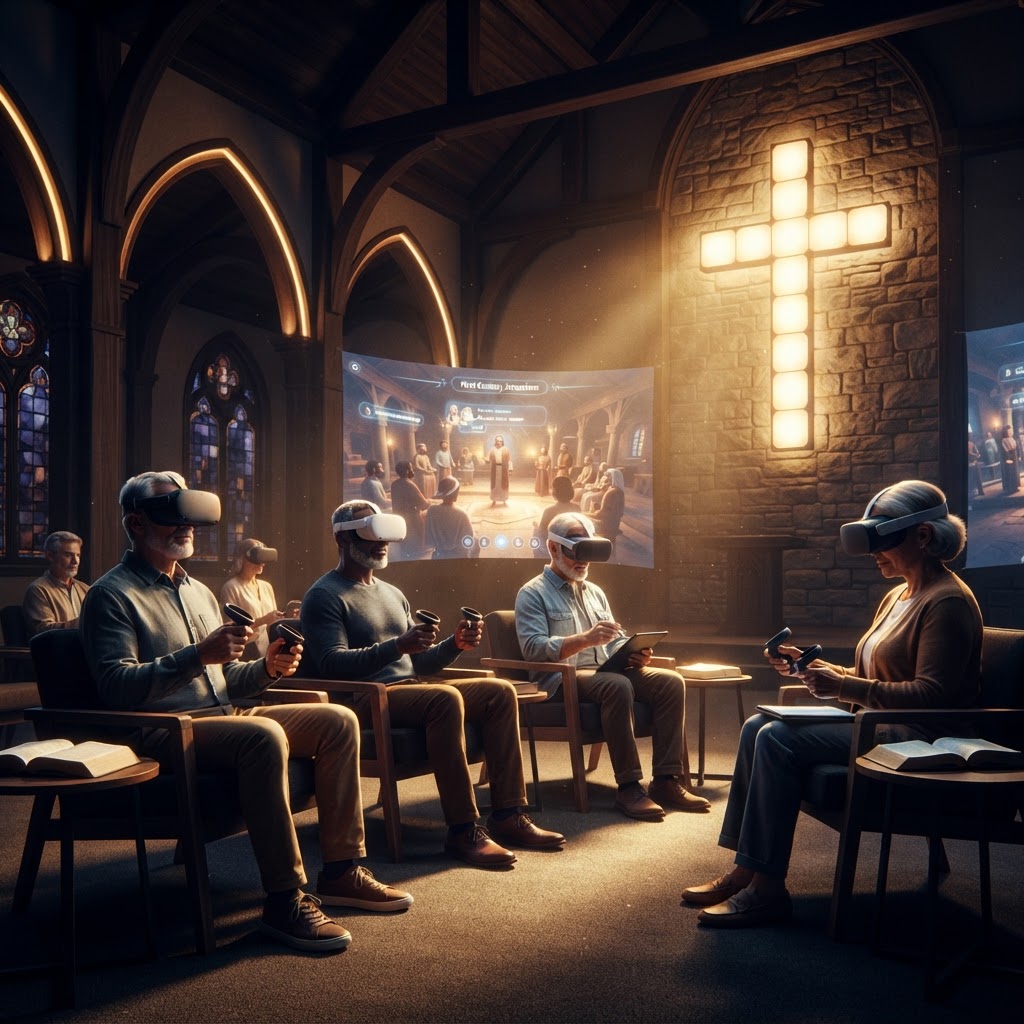
One of the most significant trends is the rise of interactive online learning modules. These go far beyond simple video lectures. Imagine a small group studying the parables of Jesus, not just by reading them, but by exploring a virtual representation of ancient Galilee, walking through the fields with the sower, or sitting beside the prodigal son. Platforms are emerging that allow for this kind of tactile, sensory engagement with scripture, making biblical narratives feel more alive and relevant than ever. This approach taps into different learning styles and can break down barriers to understanding, especially for those who struggle with purely text-based study.
Biblical VR is at the forefront of this immersive discipleship movement. Tools like ZionSphere are enabling believers to step directly into the stories of faith. Experiencing the parting of the Red Sea, standing with David as he faced Goliath, or feeling the awe of Jesus’ miracles firsthand creates an emotional and intellectual resonance that traditional methods often can't replicate. This isn't about entertainment; it's about cultivating empathy, understanding context, and fostering a profound sense of presence with biblical events. By allowing individuals to “be there,” these experiences can deepen their faith and their commitment to following Christ.
Beyond immersive experiences, churches are utilizing sophisticated digital tools to personalize discipleship pathways. AI-powered platforms can now assess a believer's spiritual maturity, identify areas for growth, and recommend tailored resources – from devotional readings and sermon series to small group discussions and service opportunities. This personalized approach ensures that each individual receives the guidance they need, when they need it, fostering a sense of being seen and supported in their unique walk with God.
The pandemic certainly accelerated the adoption of digital ministry tools, but the innovations we're seeing in 2026 are far more sophisticated and intentional. Churches are using data analytics (ethically and with privacy in mind, of course) to understand engagement patterns, identify common questions or struggles within their congregation, and adapt their teaching and pastoral care accordingly. This data-informed approach allows for more responsive and effective ministry.
Furthermore, the integration of faith tech extends to community building. Online forums, dedicated discipleship apps, and even virtual coffee chats facilitated through video conferencing are helping to maintain and strengthen connections, especially for those who are geographically dispersed or face mobility challenges. These digital spaces, when curated with intention, can foster genuine fellowship and accountability, essential components of discipleship.
Theological reflection on this shift is crucial. As we embrace technology, we must ensure it serves, rather than supplants, the core tenets of discipleship: prayer, scripture study, fellowship, and service. The danger lies in mistaking digital engagement for spiritual depth. However, when used thoughtfully, technology can amplify these core practices. A VR experience of Jesus’ betrayal might lead to deeper contemplation of sacrifice and forgiveness; an interactive Bible study app might spur more consistent daily scripture reading.
The beauty of these advancements is their potential to reach individuals wherever they are. Whether someone is seeking to understand the complexities of the Old Testament, wants to feel closer to the events of the New Testament, or is simply looking for a more engaging way to grow in their faith, technology in 2026 offers powerful solutions. ZionSphere, for instance, provides a unique avenue for believers to experience biblical narratives in a profoundly moving and educational way, acting as a powerful supplement to traditional discipleship efforts.
As we navigate this exciting era of faith and technology, the invitation for churches is clear: embrace these tools with wisdom and discernment. The goal is to leverage every resource available to help individuals grow into fully devoted followers of Christ. The digital realm is not a separate world; it is an extension of the physical, a space where God’s love and truth can be made manifest in new and powerful ways.
Are you ready to explore the future of faith engagement? Learn more about how immersive biblical storytelling can deepen discipleship by visiting zionsphere.world.
This article was brought to you by ZionSphere, a virtual faith experience. Connect with us at www.zionsphere.world.
Keywords
faith techdiscipleshipbiblical VRChristian gamingvirtual reality ministrychurch technologydigital discipleshipimmersive scriptureZionSpherespiritual growth
Stay in the Loop
Get the latest ZionSphere news and articles delivered to your inbox.